

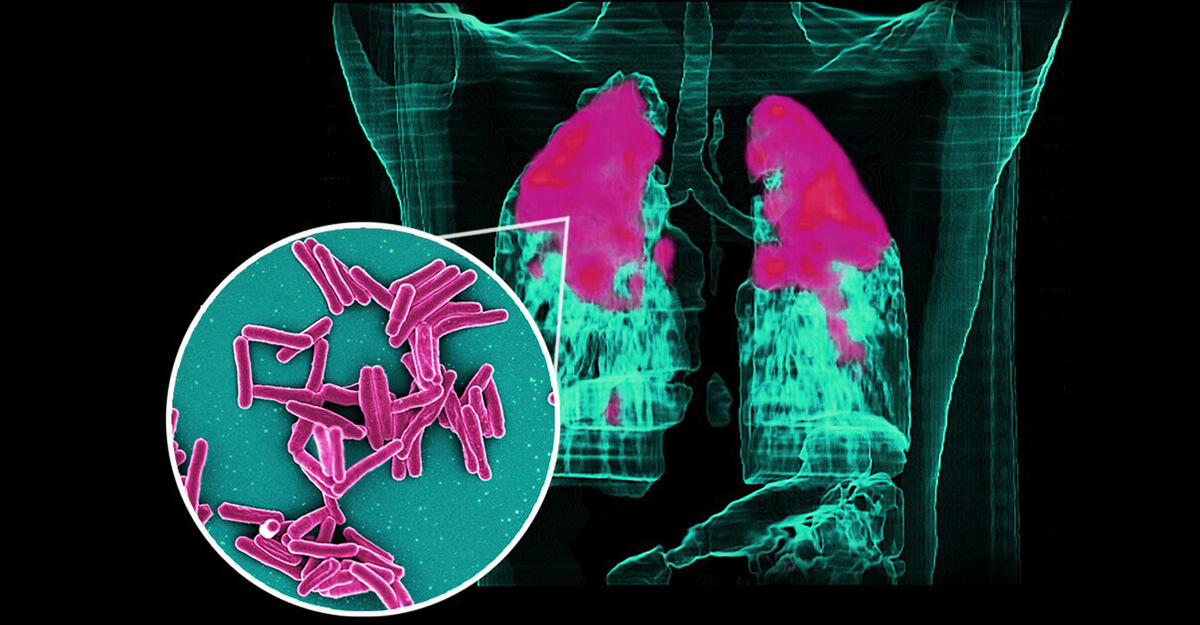
Tuberculosis remains the world’s deadliest infectious disease, despite being treatable and preventable. It kills about 1.6 million people every year, mostly in low-income countries.
Researchers have developed a new compound called CMX410 that targets tuberculosis bacteria. The compound shuts down a vital enzyme called polyketide synthase 13, or PKS-13. This enzyme helps the bacteria build a protective outer shell.
By blocking PKS-13, CMX410 removes the bacteria’s ability to survive and spread. The study, published in Nature, highlights how this compound could stop tuberculosis from transmitting to new patients. New antibiotics like CMX410 are urgently needed as resistance to current drugs increases worldwide.
How Does CMX410 Help Treat Tuberculosis?
PKS-13 is an important target for developing new tuberculosis treatments. Previous attempts to create safe and effective drugs against it have failed. CMX410 represents major progress in balancing these two goals.
A reactive chemical group within CMX410 attaches to a specific site on PKS-13. This creates precise therapeutic effects and limits harmful side effects. The focused design also makes it harder for tuberculosis to develop resistance.
Researchers discovered CMX410 using click chemistry, a process that links molecules like puzzle pieces. This method has been used to create many useful chemical compounds. Scientists screened more than 300 similar compounds to find the best one for safety, precision, and strength.
They tested CMX410 against 66 strains of Mycobacterium tuberculosis, including drug-resistant ones from patients. The compound safely worked alongside other antibiotics, which is key since tuberculosis therapy often requires drug combinations over long periods.
Animal testing showed no harmful side effects, even at the highest doses. CMX410’s high precision means it likely will not harm beneficial bacteria or disrupt the microbiome. These findings mark a strong step forward for safer tuberculosis treatment.
How Could these Findings Affect the Fight against Tuberculosis?
These findings mark a critical step toward ending tuberculosis worldwide. To fully eradicate the disease, strong international cooperation is essential. A fairer global distribution of resources would also help fight tuberculosis effectively.
CMX410 could support the World Health Organization’s goal to end tuberculosis by 2030. It may work alongside new technologies like portable X-rays, AI diagnostics, and shorter treatment regimens. These innovations can speed up both diagnosis and prevention.
However, many poor regions still lack access to these medical advances. The only existing tuberculosis vaccine once offered strong protection, but it has weakened over time. CMX410 and more than 30 new vaccines in development could change that.
Together, these treatments bring the world closer to eliminating tuberculosis for good. Because of tuberculosis’ massive health and economic toll, every dollar invested in eradication yields up to $39 in returns.
Conclusion
CMX410 represents a breakthrough in the fight against tuberculosis. The compound’s precision and safety make it a strong partner for existing treatments. With global cooperation and access, it could help end the world’s deadliest infectious disease.
Have an upcoming trip? Passport Health offers a wide variety of options to help keep you safe from disease, including vaccines. Call or book online to schedule your appointment today.
Logan Hamilton is a health and wellness freelance writer for hire. He’s passionate about crafting crystal-clear, captivating, and credible content that elevates brands and establishes trust. When not writing, Logan can be found hiking, sticking his nose in bizarre books, or playing drums in a local rock band. Find him at loganjameshamilton.com.
 US - English
 CA - English
 Rest of World - English


