

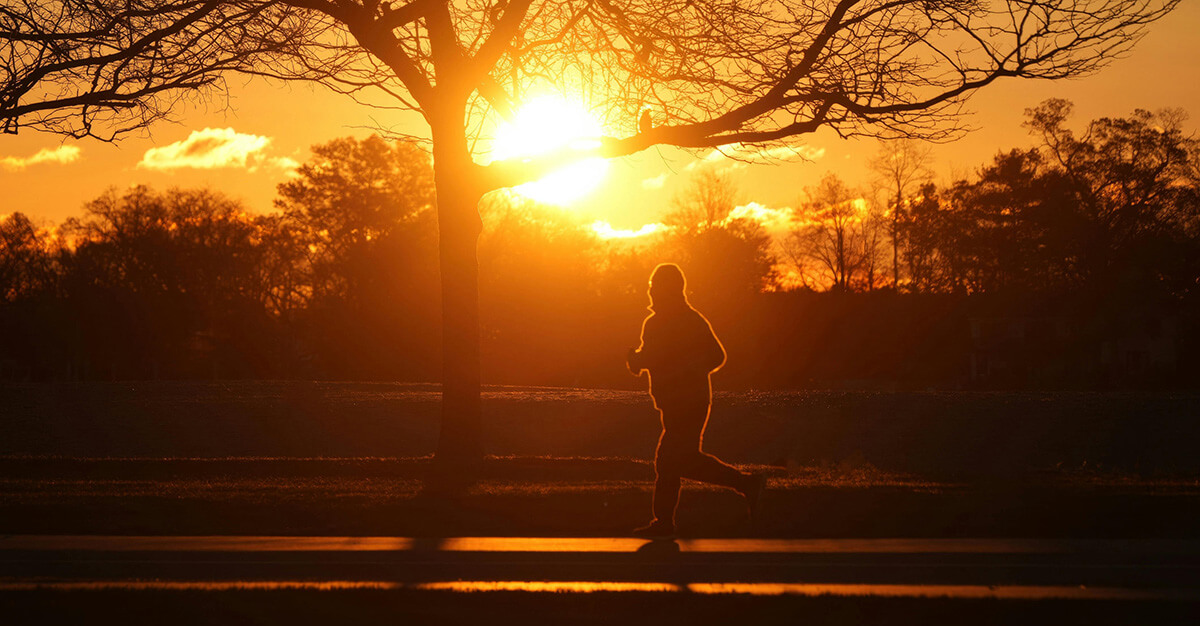
Exercise offers many proven health benefits for people. A recent study claimed daily walking could increase lifespan by over ten years. New benefits of exercise continue to appear through ongoing research. One new benefit relates to immune system improvement.
Researchers found exercise may improve immune responses to inflammation. Immune cells handled inflammation better when it appeared in the body. The study focused on older adults who used endurance exercise routines. Endurance exercise included running, biking, swimming, rowing, and walking.
Natural killer cells, or NK cells, are white blood cells. They detect and destroy infected, diseased, or mutated cells. NK cells can also help the body fight cancer. These cells showed changes in regularly exercising adults.
NK cells in active adults adapted better to disease threats. They produced lower levels of inflammation during immune responses. They also used energy more efficiently during normal function.
How Did Researchers Test Immune Response?
The study appeared in Scientific Reports. Funding came from FAPESP, the São Paulo Research Foundation. Nine people contributed samples to the research study. Their average age was reported as sixty-four.
Researchers placed participants into two separate groups. One group did not practice regular exercise routines. The other group consistently practiced endurance exercise. This comparison helped researchers observe cell differences.
Past research from this team linked obesity and inactivity to immune aging. Sedentary and obese people showed prematurely aged immune cells. These findings guided the new research focus on endurance exercise. Researchers wanted to see if older athletes showed stronger immune responses.
The new findings supported the original hypothesis. Exercising adults had better responding NK cells during inflammation. Endurance training also improved long-term immune system regulation. Regular exercise improved how the body controls immune activity over time.
Exercise interacts with many other immune-related factors. These include sleep quality, nutrition, vaccination, and stress levels. They also include activity levels and possible use of immunosuppressants. Exercise connects with these domains in a broad and comprehensive way.
Researchers examined other NK cell changes connected to exercise. They tested NK cells against inflammation and against drug blockers. The drugs included propranolol and rapamycin in their tests. Trained immune systems showed stronger and more efficient immune responses.
Exercising adults used metabolic energy more effectively. Their immune systems showed less stress and strain overall. Researchers concluded that activity helps regulate energy use in cells. It also improves immune responses to multiple outside challenges.
Propranolol blocks the adrenergic pathway in the body. This pathway manages neurotransmitters like adrenaline and noradrenaline. Rapamycin blocks mTORC1 signaling in immune activity. mTORC1 helps regulate immune cell growth and total cell numbers.
Exercising adults retained normal NK cell function under blockage. Non-exercising adults showed faster energy depletion in cells. They also struggled to reduce harmful inflammation during responses. Exercise helped older adults adapt to immune and metabolic demands.
What Other Research Supported This Hypothesis?
Researchers previously studied young athletes and master athletes. They compared immune responses before and after acute exercise. The study examined whole blood and PBMC samples. They also analyzed NK cells and related immune processes.
Twelve master athletes were compared to young athletes. Master athletes showed stronger and longer immune responses to inflammation. Both groups increased IL-6 production, a signaling cytokine. The increase was stronger in the younger group.
Only young athletes showed higher TNFA levels after exercise. Young athletes also displayed more intense inflammation responses. These findings strengthened links between exercise and immune resilience. The research supported improved immune responses through physical activity.
Conclusion
Regular endurance exercise may strengthen immune system responses in older adults. Natural Killer cells in active adults adapt better and use less energy. Exercise connects with many health factors and improves long-term immune regulation.
Have an upcoming trip? Passport Health offers a wide variety of options to help keep you safe from disease, including vaccines. Call or book online to schedule your appointment today.
Logan Hamilton is a health and wellness freelance writer for hire. He’s passionate about crafting crystal-clear, captivating, and credible content that elevates brands and establishes trust. When not writing, Logan can be found hiking, sticking his nose in bizarre books, or playing drums in a local rock band. Find him at loganjameshamilton.com.
 US - English
 CA - English
 Rest of World - English


