

A man joined his wife and children for a camping trip in summer 2024. The airline pilot and his family ate a late dinner at 10 p.m. They enjoyed beef steaks, even though the family usually consumed chicken. The night seemed normal until early morning.
The man woke at 2 a.m. with sudden and severe stomach pain. He writhed in bed while vomiting and having diarrhea. A few hours later, he felt better and slept through the night. He and his wife considered seeking medical advice but did not understand what happened.
Two weeks later, the man was back home in New Jersey. He and his wife attended a barbecue that afternoon. The man ate a hamburger at 3 p.m. and later mowed the lawn with no issues. His symptoms began at 7:20 p.m., and by 7:37 p.m., his son had called emergency services, but the man died three hours later.
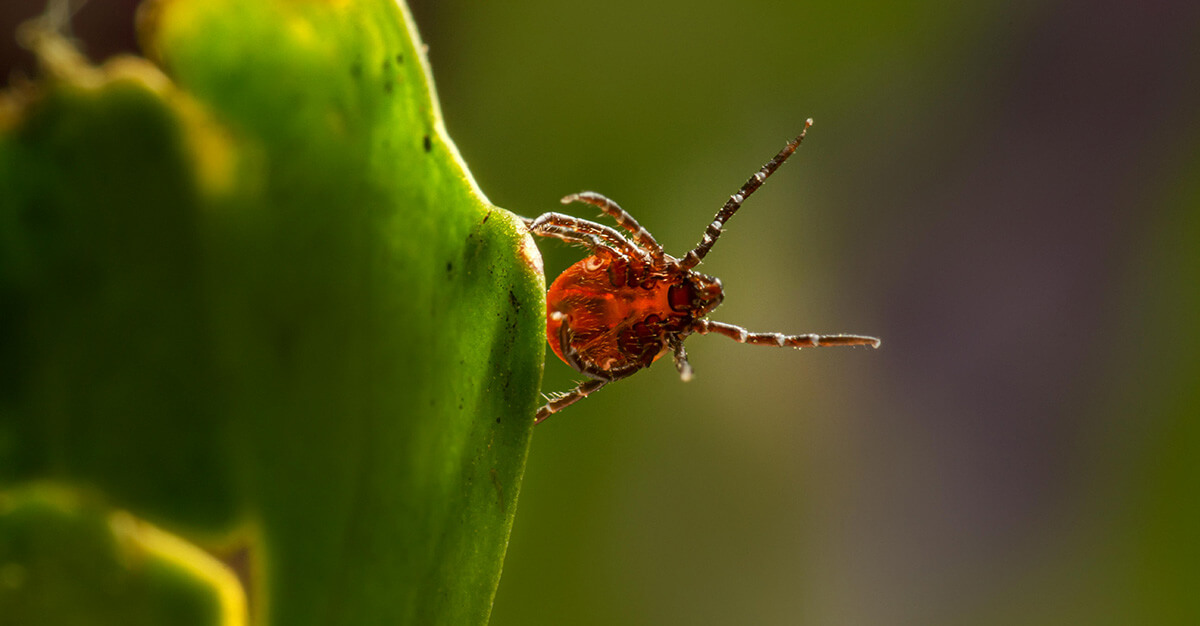
His autopsy was inconclusive, but his wife sought definitive answers. She contacted her friend, Dr. Aaron McFeely, who reviewed the report and contacted Virginia researchers. Blood tests confirmed that the man had alpha-gal syndrome from a lone star tick bite, marking the first confirmed fatal transmission of this allergy. Researchers say this case shows why broader awareness of alpha-gal risks is urgently needed.
Why Does Alpha-Gal Trigger Allergic Reactions?
Allergist Thomas Platts-Mills urged broader awareness about alpha-gal risks. He said people in heavily populated tick regions should understand these dangers. He also warned that severe stomach pain hours after eating red meat requires urgent evaluation. People should confirm they have no alpha-gal allergies.
Alpha-gal is a common sugar that lives in cell membranes. However, alpha-gal does not naturally exist in human bodies. Tick bites can inject alpha-gal directly into the bloodstream. Human immune systems then create strong anti–alpha-gal antibodies.
These antibodies can trigger allergic reactions after eating alpha-gal again. Common sources include beef, lamb, pork, milk, and cheese. Symptoms include sneezing, runny nose, headaches, or faint-headedness. Severe symptoms include swelling, stomach pain, vomiting, and diarrhea.
Researchers have warned about alpha-gal syndrome for many months. Many suspected immune system overreactions could cause deadly responses. This recent case confirms those fears. The confirmation only happened because his wife pushed for answers.
Triptase levels in the man’s blood reached 2,000 nanograms per milliliter. Triptase helps measure severe anaphylactic shock in medical settings. This level is one of the highest ever recorded in fatal anaphylaxis. It highlighted the severity of his reaction.
What Do Researchers Want Readers to Know?
The couple initially thought small ankle bites were from chigger mites. These tiny insects are easy to confuse with young ticks. They live in warm weather near water, grass, and wooded areas. They also latch onto clothing and bite through skin.
These habits overlap with ticks, making confusion very common. Immature ticks are extremely small and hard to identify. The lone star tick is the main vector for alpha-gal syndrome. Its habitat range is expanding across new regions.
Growing deer populations help these ticks spread into northern states. Climate change supports the ticks by allowing survival in extreme temperatures. This lets the insects expand even farther. Other ticks in Australia, Europe, and Asia can also cause similar allergies.
Researchers say the most important message is very simple. Any stomach pain three to five hours after eating red meat needs urgent attention. They also note that isolated stomach pain can signal an allergic reaction. Tick bites should be checked if they itch longer than one week.
Chigger bites can still increase sensitivity to mammal meat. People should keep this overlap in mind. Many cases will remain mild or moderate. A responsive diet should help most people manage their symptoms.
Conclusion
This case confirms that alpha-gal syndrome can cause deadly reactions. Researchers warn that stomach pain after eating red meat should prompt urgent attention. They stress that growing tick populations make early awareness more important than ever.
Have an upcoming trip? Passport Health offers a wide variety of options to help keep you safe from disease, including vaccines. Call or book online to schedule your appointment today.
Logan Hamilton is a health and wellness freelance writer for hire. He’s passionate about crafting crystal-clear, captivating, and credible content that elevates brands and establishes trust. When not writing, Logan can be found hiking, sticking his nose in bizarre books, or playing drums in a local rock band. Find him at loganjameshamilton.com.
 US - English
 CA - English
 Rest of World - English


