

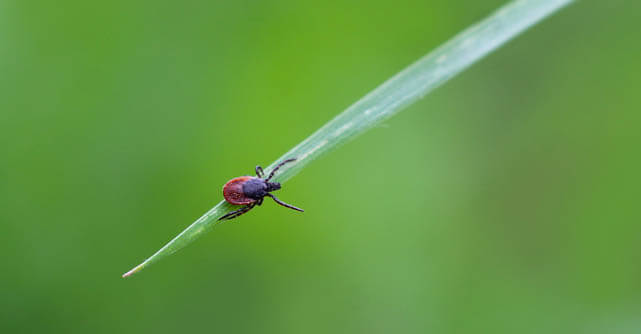
Entering the hotter months of the year, the risk of tick-borne disease transmission increases significantly. As the climate warms, researchers warn that these threats may continue to worsen. For this reason, experts encourage anyone spending time outdoors to understand common tick-borne illnesses and how to prevent them.
Ticks can spread diseases, including Lyme disease, Rocky Mountain spotted fever, ehrlichiosis, babesiosis, anaplasmosis, and alpha-gal syndrome. Researchers are currently developing a vaccine to help prevent Lyme disease, but it is not yet available to the public. Current plans for the vaccine would require three initial doses followed by annual boosters. As a result, experts say preventive measures will remain important even if a vaccine becomes widely available.
Why Are Tick-Related Illnesses Rising?
Ticks thrive in warm, humid environments. Mild winters and hotter summers allow ticks to remain active for longer periods each year. Climate change is also helping some tick populations expand northward into regions that were previously too cold for them to survive. At the same time, growing deer and mouse populations provide ticks with more opportunities to feed and reproduce. White-footed mice are particularly important hosts for ticks that spread Lyme disease.
Lyme disease is the most commonly reported tick-borne illness in the United States. It is spread by black-legged ticks, also known as deer ticks, that carry the bacteria Borrelia burgdorferi or Borrelia mayonii. These ticks are most common in the Northeast, Mid-Atlantic, and Upper Midwest regions.
Common symptoms of Lyme disease include fever, headache, fatigue, and muscle aches. About 70% of patients develop a rash, often described as a bullseye pattern. However, Lyme disease rashes can appear in several different forms. Without treatment, the infection may spread and affect the joints, nervous system, and heart. Fortunately, most cases can be successfully treated with antibiotics.
Another growing concern is alpha-gal syndrome (AGS). This condition is most commonly associated with bites from lone star ticks, although other tick species may also contribute. Alpha-gal is a sugar molecule found in many mammals but not in humans. After a tick bite, some individuals develop an immune response to alpha-gal. As a result, eating red meat or other mammal-derived products can trigger allergic reactions hours after consumption.
Cases of alpha-gal syndrome have increased in recent years. Because there is currently no cure, management typically involves avoiding foods and products that contain alpha-gal, including certain red meats and, in some cases, dairy products.
Rocky Mountain spotted fever, ehrlichiosis, babesiosis, and anaplasmosis remain additional tick-borne illnesses of concern. These diseases can cause symptoms ranging from fever and fatigue to severe complications if left untreated.
Preventing Tick Bites and Infections
The Centers for Disease Control and Prevention (CDC) recommends several steps to reduce the risk of tick bites. Avoid walking through tall grass, dense brush, and heavily wooded areas whenever possible. When spending time in tick-prone environments, treat clothing and gear with 0.5% permethrin. In addition, use EPA-registered insect repellents on exposed skin.
After returning indoors, carefully inspect clothing and skin for ticks. Clothing worn outside should be placed in a dryer on high heat for at least 10 minutes to kill any ticks that may still be attached. Pet owners should also examine their animals for ticks after spending time outdoors.
Taking a shower soon after outdoor activities may help reduce the risk of Lyme disease. During tick checks, pay close attention to the armpits, behind the ears, along the hairline, inside the belly button, behind the knees, and other hard-to-see areas of the body.
As temperatures rise, emergency room visits related to tick-borne diseases are occurring earlier in the year and more frequently than in previous decades. If a tick is discovered, it should be removed promptly. In general, the longer a tick remains attached, the greater the chance it may transmit disease-causing organisms.
If a tick bite occurs, consider taking a photograph of both the tick and the bite site. This information may help healthcare providers identify the species involved and assess potential disease risks. Most importantly, monitor your health closely after any tick bite. If unusual symptoms develop, contact a healthcare provider as soon as possible.
Conclusion
Tick-borne illnesses are rising as warmer seasons lengthen tick activity. Lyme disease and alpha-gal syndrome remain growing outdoor risks. Prevention depends on repellents, treated clothing, and careful inspection.
Have an upcoming trip? Passport Health offers a wide variety of options to help keep you safe from disease, including vaccines. Call or book online to schedule your appointment today.
Logan Hamilton is a health and wellness freelance writer for hire. He’s passionate about crafting crystal-clear, captivating, and credible content that elevates brands and establishes trust. When not writing, Logan can be found hiking, sticking his nose in bizarre books, or playing drums in a local rock band. Find him at loganjameshamilton.com.
 US - English
 CA - English
 Rest of World - English


