

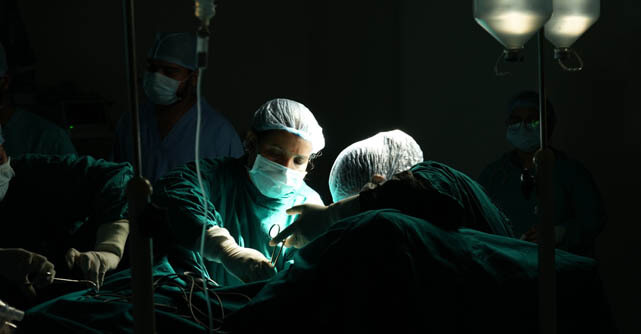
Recently, more and more people have elected to board a plane and cross borders to get medical care, particularly for expensive procedures such as dental surgeries, experimental therapies, or cosmetic procedures. Many hope to avoid steep costs while still receiving the care they need. Researchers investigating medical tourism for cosmetic care found that these surgeries often carried health risks, particularly bacterial infections. Results were published in Emerging Infectious Diseases.
There is no exact figure on how many people travel abroad for cosmetic procedures. However, researchers said the practice is likely to increase. The prediction is understandable, considering rising living costs and difficulty accessing affordable medical care, including reliable insurance coverage.
Money is not the only motivation. Time also plays a major role. Patients who may otherwise face months- or years-long waits for surgery sometimes choose to travel overseas where procedures are available much sooner.
How Did Researchers Investigate Cosmetic Tourism?
To conduct the study, researchers analyzed written and verbal requests sent from health departments to the Centers for Disease Control and Prevention (CDC). They searched for cases involving people who traveled to another state or country for cosmetic surgery between January 2014 and December 2024.
The reported cosmetic procedures included liposuction, tummy tucks, Brazilian butt lifts, breast augmentation, and other surgeries. Researchers recorded cases where these procedures were associated with bacterial infections or other serious health concerns.
Across 21 reports representing 145 individual cases, traveling across state or national borders for cosmetic surgery was linked to negative health outcomes. Infection occurred in 20 of the 21 reports, with non-tuberculous mycobacteria identified in 12 patients. Four of the reports also sought CDC assistance following a patient’s death associated with one of the reported infection outbreaks.
Why Does Cosmetic Tourism Create Risks?
Open surgical wounds can provide bacteria with an opportunity to enter the body. When infections are acquired abroad, they can also be more difficult to detect, treat, and trace. This can delay diagnosis, complicate treatment, and increase the risk of additional infections or more severe illness.
Standards for infection prevention, equipment sterilization, and reporting practices may also vary between facilities and countries. In many cases, patients do not notify health authorities that they traveled for cosmetic surgery, and overseas clinics may not report infections to the patient’s home country. As a result, outbreaks become more difficult to identify and investigate.
It is important for healthcare providers to discuss the potential risks of medical tourism with patients considering cosmetic procedures abroad. Patients who develop infections after returning home should promptly seek medical care, and healthcare providers should notify the CDC or appropriate public health authorities when unusual infections or outbreaks are suspected.
Conclusion
Medical tourism may save money but increases serious infection risks. Some cosmetic surgery complications have even resulted in patient deaths. Patients should research clinics and understand risks before traveling.
Have an upcoming trip? Passport Health offers a wide variety of options to help keep you safe from disease, including vaccines. Call or book online to schedule your appointment today.
Logan Hamilton is a health and wellness freelance writer for hire. He’s passionate about crafting crystal-clear, captivating, and credible content that elevates brands and establishes trust. When not writing, Logan can be found hiking, sticking his nose in bizarre books, or playing drums in a local rock band. Find him at loganjameshamilton.com.
 US - English
 CA - English
 Rest of World - English


