

In the First Boer War, Dutch Boers studied British weaknesses carefully. British troops wore bright uniforms and used weak battlefield formations. These flaws made them easy targets for skilled Boer fighters. Boer farmers developed ambush tactics that surprised British forces. These strategies helped them win the First Boer War.
Long conflicts often force both sides to adapt and evolve. A similar battle exists between viruses and bacteria over time. They have fought each other for millions of years. Each side develops defenses and countermeasures to survive attacks. This conflict stores valuable genetic information inside bacterial genomes.
Researchers studied this genetic data to find antiviral defense systems. They created databases that catalog thousands of protective bacterial proteins. These discoveries may help create powerful new therapies for humans.
How Were New Antivirals Found?
Both research teams used machine learning to study bacterial genomes. They designed algorithms to identify proteins that fight viral infections. These tools scanned large datasets to detect hidden defense systems. The models predicted hundreds of thousands of possible antiviral proteins.
These findings build on earlier discoveries in bacterial defense systems. Scientists previously found CRISPR-Cas9 gene editing tools in bacteria. They also discovered restriction enzymes that cut harmful DNA strands. Researchers later adapted these systems into powerful genetic technologies.
The new studies aim to find similar tools for future applications. However, bacterial defense proteins are difficult to detect and study. Past research identified more than 250 antiviral proteins in bacteria. Still, scientists suspected many more defenses remained undiscovered.
In one study, researchers used deep learning to analyze genes. They trained models using protein and gene sequence data. The results showed about 1.5 percent of genes provide antiviral defense. This rate is three times higher than earlier scientific estimates.
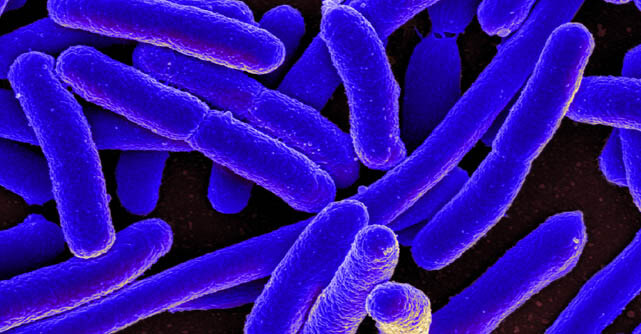
Researchers then tested findings in two bacterial species directly. They studied Escherichia coli and Streptomyces albus in experiments. Scientists identified 12 antiviral systems that block viral attacks. These systems defend against bacteriophages, viruses that infect bacteria.
Previously, scientists did not know these systems fought viruses. This discovery expands understanding of bacterial immune defense systems.
The research also produced a new tool called Defense Predictor. This tool analyzes 17,000 bacterial genomes for antiviral proteins. It predicts which proteins may provide immunity against viruses.
Scientists tested Defense Predictor on 69 strains of E. coli. The tool identified 624 potential antiviral proteins in total. More than 100 of these proteins were previously unknown. Researchers tested these proteins in 42 experimental trials.
Results showed many proteins successfully activated antiviral defenses. These findings confirm the tool’s ability to detect real systems.
Researchers also created a database called Defense Finder. This database includes over 44,000 predicted antiviral systems. It allows scientists to explore bacterial defenses more easily.
What’s Next?
Both tools are free and available for public scientific use. Future research can test these predicted systems in real experiments. Scientists may discover entirely new ways to fight viral infections.
Studying bacterial defenses could lead to new antiviral drugs. It may also inspire new molecular tools for genetic research. Researchers hope these findings reveal how bacteria evolved immunity.
The ongoing battle between bacteria and viruses continues to inform science. By studying this conflict, scientists uncover tools for human health.
Conclusion
Bacteria and viruses have battled for millions of years, shaping powerful defenses. Scientists used machine learning to find many new bacterial antiviral proteins. These discoveries could lead to new drugs and advanced genetic technologies.
Have an upcoming trip? Passport Health offers a wide variety of options to help keep you safe from disease, including vaccines. Call or book online to schedule your appointment today.
Logan Hamilton is a health and wellness freelance writer for hire. He’s passionate about crafting crystal-clear, captivating, and credible content that elevates brands and establishes trust. When not writing, Logan can be found hiking, sticking his nose in bizarre books, or playing drums in a local rock band. Find him at loganjameshamilton.com.
 US - English
 CA - English
 Rest of World - English


