

Forests are often considered treasure troves for undiscovered medicines. New research suggests one Brazilian tree may contain compounds capable of fighting COVID-19. These findings highlight the medical potential of nature and the importance of protecting ecosystems.
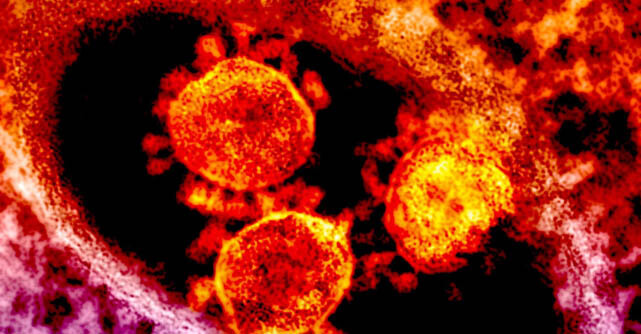
The tree, Copaifera lucens Dwyer, grows in Brazil’s Atlantic Forest. Researchers discovered that compounds extracted from its leaves showed strong antiviral activity against SARS-CoV-2, the virus responsible for COVID-19. These compounds are called galloylquinic acids. Many antiviral drugs target only one viral process. Galloylquinic acids, meanwhile, attack the virus from multiple directions simultaneously.
Researchers found that these compounds blocked SARS-CoV-2 from entering human cells. They also interfered with the virus’s ability to reproduce itself after infection. In addition, the compounds reduced inflammation and appeared to improve immune system responses. This multi-targeted action makes the compounds especially promising as a potential antiviral.
What Are the Findings?
Many current antiviral drugs focus on a single viral mechanism. Viruses can sometimes mutate around these treatments, leading to antiviral resistance. Galloylquinic acids may lower this risk because they affect several viral systems at once. Researchers believe this broader approach could make it more difficult for the virus to adapt and survive.
Scientists focused on Copaifera lucens because they had already been studying the broader Copaifera genus. Previous research suggested these trees contained medically valuable compounds. Galloylquinic acids had already shown antifungal and anticancer properties in laboratory studies and animal models. Earlier studies also found antiviral effects against HIV-1, often with fewer harmful side effects.
Before testing antiviral activity, researchers first conducted cytotoxicity tests. These evaluations ensured the compounds were not dangerously harmful to healthy cells. Scientists then used plaque reduction assays to measure how effectively the compounds destroyed viral particles. The results showed strong activity against SARS-CoV-2.
The research team also studied how galloylquinic acids interacted with several important viral components. One target was the SARS-CoV-2 spike protein, which allows the virus to attach to and enter human cells. Researchers also examined PLpro, an enzyme helping the virus evade immune detection. Another target was RNA polymerase, which the virus uses to replicate itself.
Results showed the compounds strongly affected these viral systems. Galloylquinic acids reduced viral protein production, limited viral replication, and blocked cell infiltration. At the same time, they reduced harmful inflammation linked to severe COVID-19 infections.
What’s Next?
Researchers caution that much more work remains before treatments become available. Future studies must test these compounds in animals and eventually human clinical trials.herapy intended to act within the central nervous system.
The findings also highlight the importance of environmental conservation. Brazil’s Atlantic Forest continues facing rapid deforestation and habitat destruction. Protecting ecosystems like these may preserve valuable natural compounds.
Conclusion
Researchers discovered natural compounds in a Brazilian tree that fight COVID-19. The compounds blocked viral entry, replication, and inflammation during laboratory testing. Scientists say protecting forests may preserve future medicines hidden within threatened ecosystems.
Have an upcoming trip? Passport Health offers a wide variety of options to help keep you safe from disease, including vaccines. Call or book online to schedule your appointment today.
Logan Hamilton is a health and wellness freelance writer for hire. He’s passionate about crafting crystal-clear, captivating, and credible content that elevates brands and establishes trust. When not writing, Logan can be found hiking, sticking his nose in bizarre books, or playing drums in a local rock band. Find him at loganjameshamilton.com.


