

You’ve heard of chickenpox and smallpox, but what about monkeypox?
Monkeypox is a rare viral disease, similar to smallpox but considerably milder.
Surprisingly, it’s not a new discovery as you may have suspected.
You’ve heard of chickenpox and smallpox, but what about monkeypox?
Monkeypox is a rare viral disease, similar to smallpox but considerably milder.
Surprisingly, it’s not a new discovery as you may have suspected.

Backpackers can attest there’s no better way to fully experience a country than by walking through it.
Staying in a hostel or tent in the woods and interacting with locals. Grabbing food from a street cart and trekking through roving landscapes. The experience isn’t for everyone, but backpacking is a fulfilling and unique way to see foreign countries.
Whether you’re searching for history, food, culture, art, nature, good prices, or a mixture of everything, here are the six of the best countries for backpacking:

The holidays, cold weather and the flu. It’s an unfortunate combination, but all these things come around toward the end of the year.
And with the flu season in tow, there are also many myths involving the virus that people believe. Here are five of the most common flu myths about the virus and why you shouldn’t believe them:
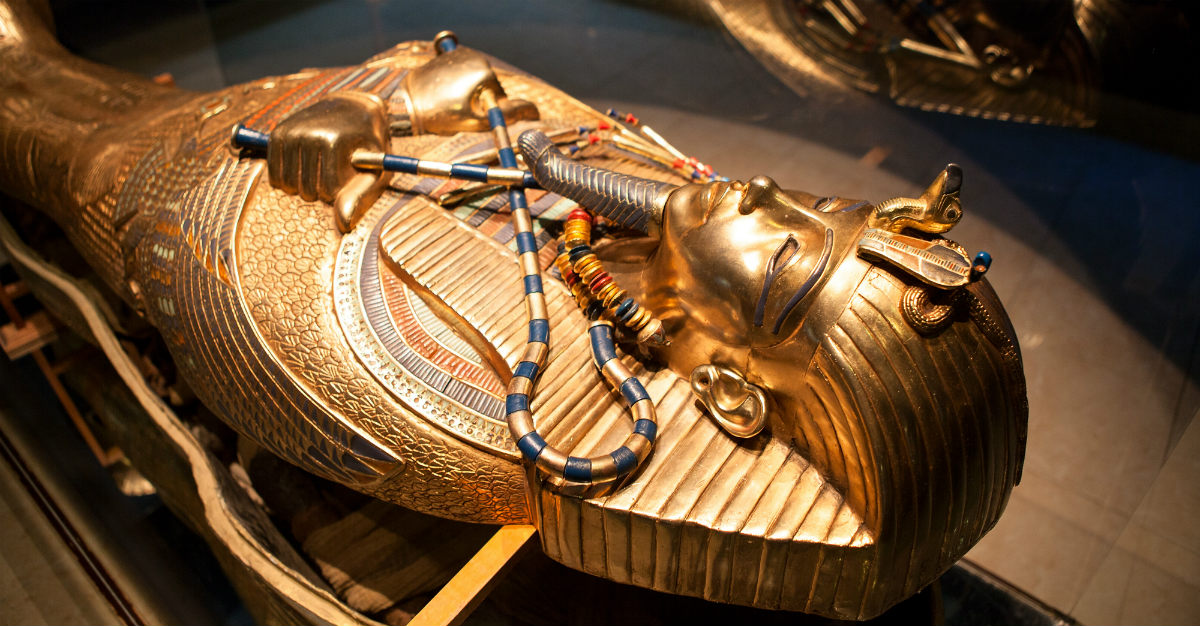
Smallpox, is a contagious illness that has a mysterious origin, as well as a long history.
Recently, tiny particles of the disease were discovered on an Egyptian mummy, identified as Pharaoh Ramses the V. The pharaoh reigned from 1150 – 1145 B.C., leaving the mummy 3,000 years old. In recent years, traces of smallpox were also found on two other Egyptian mummies, reigning during the Egyptian Dynasty from 1570 – 1085 B.C.
If smallpox can be found in ancient pharaohs, then how old can it be? Millennia later, there’s still much debate over this issue.

Unique to rest of the world, Middle Eastern cuisine is actually similar from country-to-country within the region.
Using many of the same ingredients, the small changes in each country make the dishes stand out.
Fava beans are popular throughout the Middle East, but boiled in some places and eaten green in others. Coffee is thicker in Turkey and saved for special occasions in Oman. One constant for hungry travellers is a wide variety of spices and flavors in the food throughout the Middle East:

This past summer European travelers from all over the continent descended on the town of Tramonti di Sopra.
People flocked to this Italian area for a celebration. The European Rainbow Gathering ran for four weeks, centered around the idea of spiritual connection and hope.
Attendees came with good intentions, but some left with a life-threatening problem. An outbreak of typhoid spread throughout the celebration, hitting a region that rarely sees the disease.

In 2008, China diverted water from nearby communities for the upcoming Olympic Games. This would create enough clean and drinkable water for the event.
Along with the highly polluted air suffocating residents of Beijing, this process created a huge uproar. The spotlight was now on China’s efforts to clean up its environment. Strides would be needed to create safe living conditions throughout the country.
A recent development may change the world’s view on the China’s water pollution. Home to 1.38 billion people, China is working to create positive change for the world’s most-populated country.
The process began earlier in 2017.

Food allergies can be a real challenge, and they take a bit of getting used to when an individual is first diagnosed with the allergy.
Some of the most common food allergies are dairy, soy, and tree nuts, such as peanuts. Another common food allergy is seafood, like fish, crab, and other types of shellfish.
Once a person develops a routine and knows what ingredients to look for, the allergy can be a breeze to manage. Checking food labels and grocery shopping becomes second nature.
But what happens you’re visiting a new place? And not just a new place, but one with strange food and a different language?

When pregnant, you share everything with your growing baby.
Food, nutrients and even vaccines can help protect not just you from disease, but also your baby. Getting the wrongs vaccines or at the wrong time could potentially harm both expectant mother and child. Here are some vaccination guidelines to keep in mind for expectant mothers:

The cholera epidemic in Yemen is now the fastest-growing outbreak of the disease in history.
The outbreak started just six months ago and there are already 822,000 suspected cases in Yemen, resulting in over 2,000 deaths. The number of cases is expected to rise to over 1 million by the end of 2017.
This cholera crisis surpasses the recent epidemic in Haiti. After a devastating earthquake in 2010, Haiti reported 815,000 cases of cholera. Yemen’s outbreak is growing much faster, taking months to reach this numbers, rather than the years of cholera in Haiti.


